Technologies

What our window films are made of, what the numbers on a spec sheet mean, and the AI behind Aelyst.

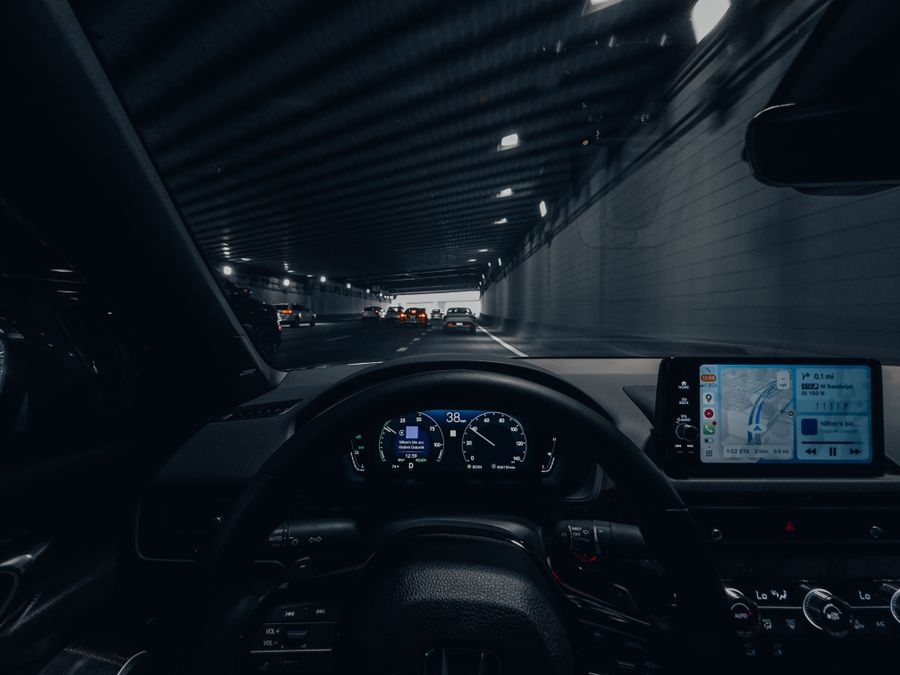
Driving at night with a clear view

Window film technologies

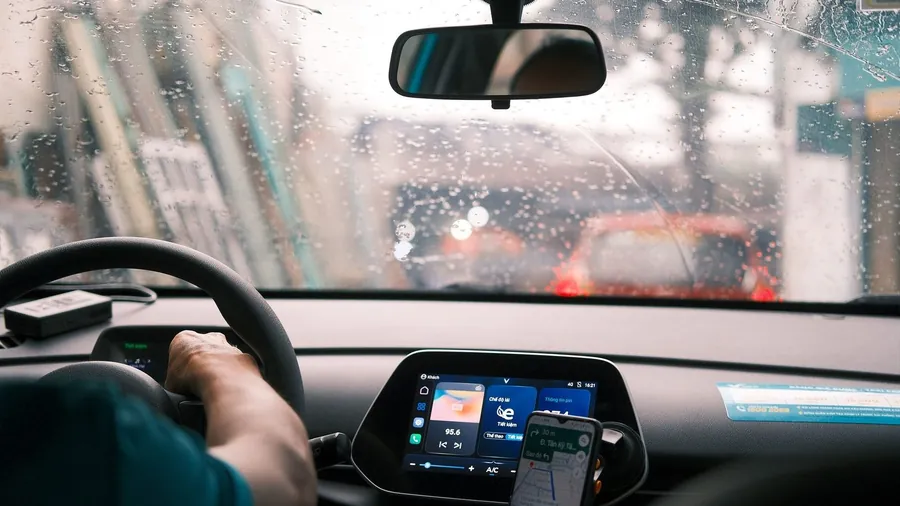
Driving through a city tunnel at night

ICEBERG® Night Vision Technology

Iceberg's technology for rejecting heat and glare by day while the view from inside stays clear at night, even with dark shades such as ICEBERG 90 (5% VLT). "ICEBERG Night Vision Technology" is a trademark registered with DJKI under No. IDM000918527, so Night Vision Technology is only available from Iceberg.

Used in: ICEBERG With Night Vision Technology
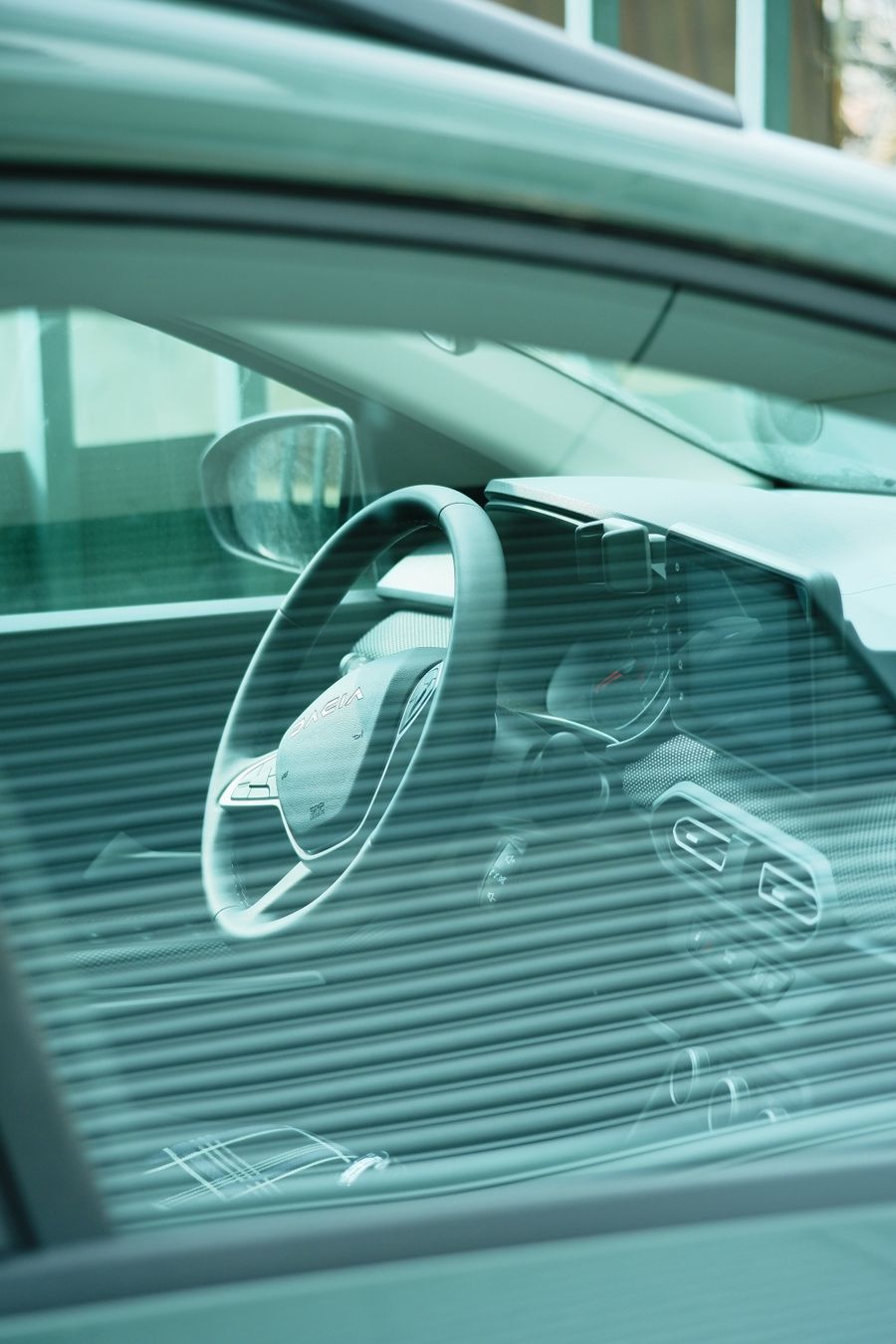
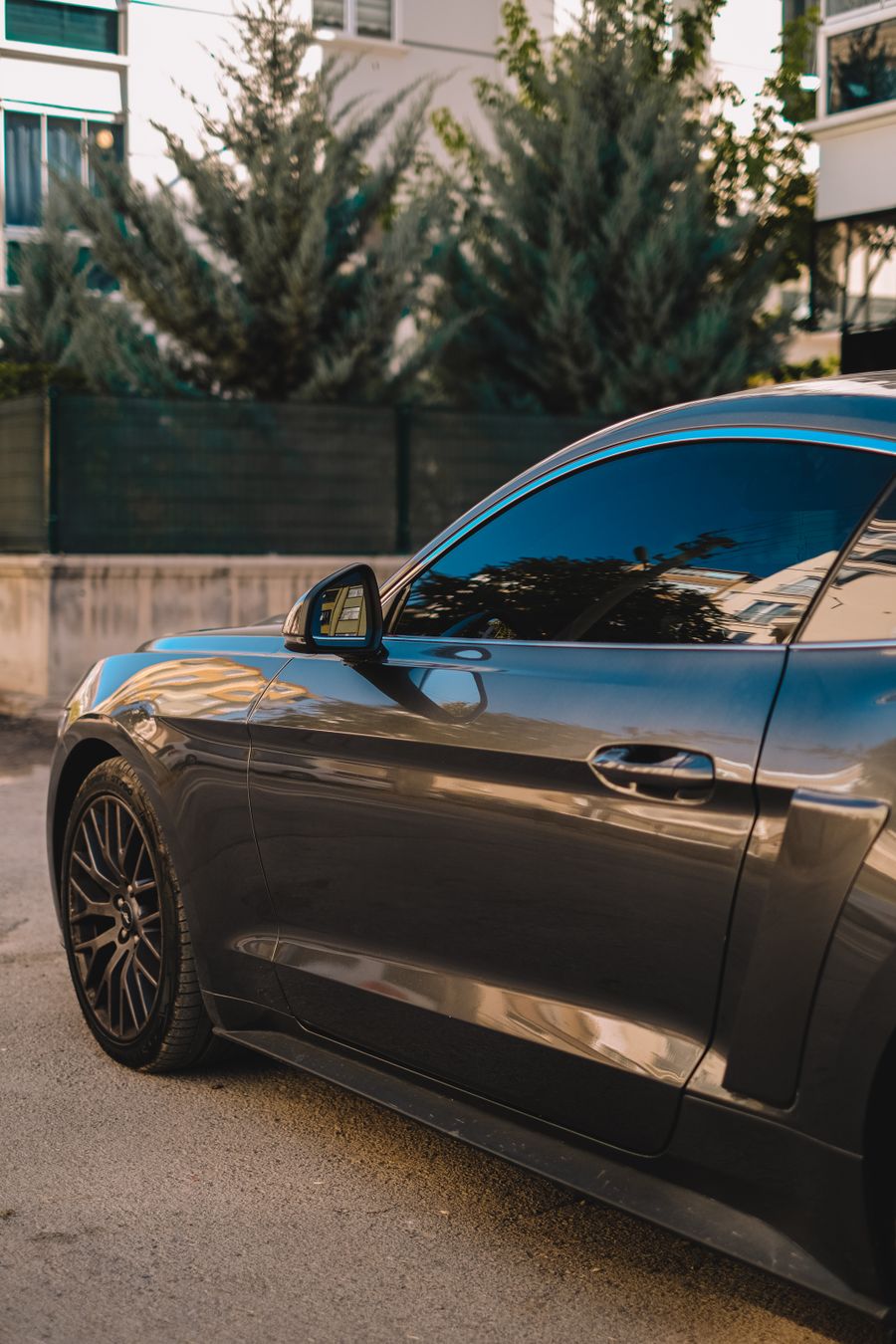
Car dashboard seen through tinted glass

Nano carbon

Carbon particles processed with nano technology and spread evenly through the film. There is no metal, so it does not interfere with phone, GPS, radio or e-toll signals, does not corrode and has no mirror effect.

Used in: ICEBERG With Night Vision Technology, Spectrum NEO

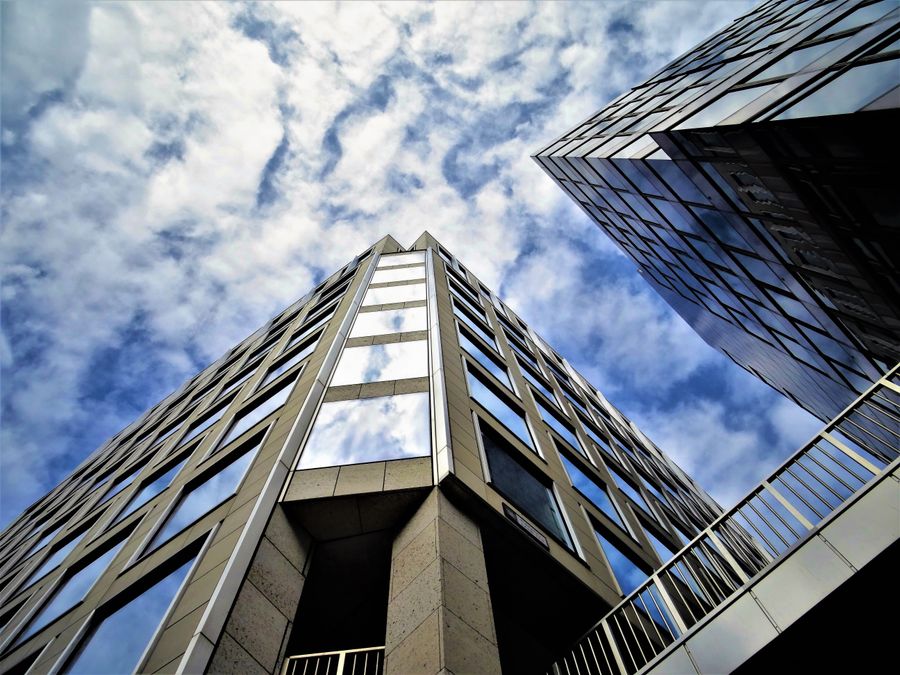
Glass facade of a tower reflecting the sky

Metallised and reflective

Metallised film uses a thin metal layer that reflects the sun's heat and gives a silver mirror look from outside. Some other series also have a reflective finish.

Used in: Spectrum Steel, Miracle Silver, Indium Silver

How to read a window film spec sheet

Every brand in the group publishes the same four numbers for each type, so films can be compared fairly.

VLT
Visible light transmission: the share of visible light the film lets through. A lower VLT means a darker film. It describes looks and privacy, not heat.
UVR
UV rejection: the share of ultraviolet light blocked. UV fades interiors and affects skin. Most of our films block 99% or more.
IRR
Infrared rejection: the share of infrared turned away. Infrared carries most of the heat you feel from the sun.
TSER
Total solar energy rejected: all solar energy turned away (visible light, infrared and UV together). The best single number for how cool a film keeps a room or cabin.

Darker is not always cooler

Most of the sun's heat is carried by infrared, so compare infrared rejection (IRR) and total solar energy rejected (TSER), not only darkness (VLT). Spectrum NEO 20 (62% VLT), for example, rejects 92% of infrared, while Spectrum Black 60 (16% VLT) rejects 56%.

95% infrared rejection and above

These types reject 95% of infrared or more, according to their official spec sheets.

  • Iceberg: ICEBERG 20 (96%), ICEBERG 40 (99%), ICEBERG 60 (99%), ICEBERG 80 (99%), ICEBERG 90 (99%)
  • Profilms: PROFILMS LE 80 (95%)
  • Indium: 20 PLATINUM (97%), 40 PLATINUM (99%), 60 PLATINUM (99%), 80 PLATINUM (99%)

Aelyst: AI for customer conversations

Aelyst runs AI agents on large language models instead of fixed chat flows, so they can answer in their own words, qualify leads, book appointments and collect payments, and hand the conversation to staff when needed.

  • AI agents that reply, qualify and follow up leads
  • Invoices and QRIS payments from inside the conversation
  • AI sentiment analysis on every conversation, with a filter for customers who need attention
  • An AI sales coach that reviews chats daily and suggests replies and follow-ups
  • Reports on bookings, revenue, new leads and lifecycle stages
  • Image-understanding AI that reads pictures such as payment proofs
  • Set up for you by the Aelyst team

Frequently asked questions

Is darker window film always cooler?

No. Most of the sun's heat is carried by infrared, so compare infrared rejection (IRR) and total solar energy rejected (TSER), not only darkness (VLT). Spectrum NEO 20 (62% VLT), for example, rejects 92% of infrared, while Spectrum Black 60 (16% VLT) rejects 56%.

Does Iceberg block phone, GPS or e-toll signals?

No. Iceberg is made of 100% nano carbon with no metal.

How do I check a window film warranty?

Each brand has its own warranty check site. Enter the number on the warranty card you received from the official dealer.